




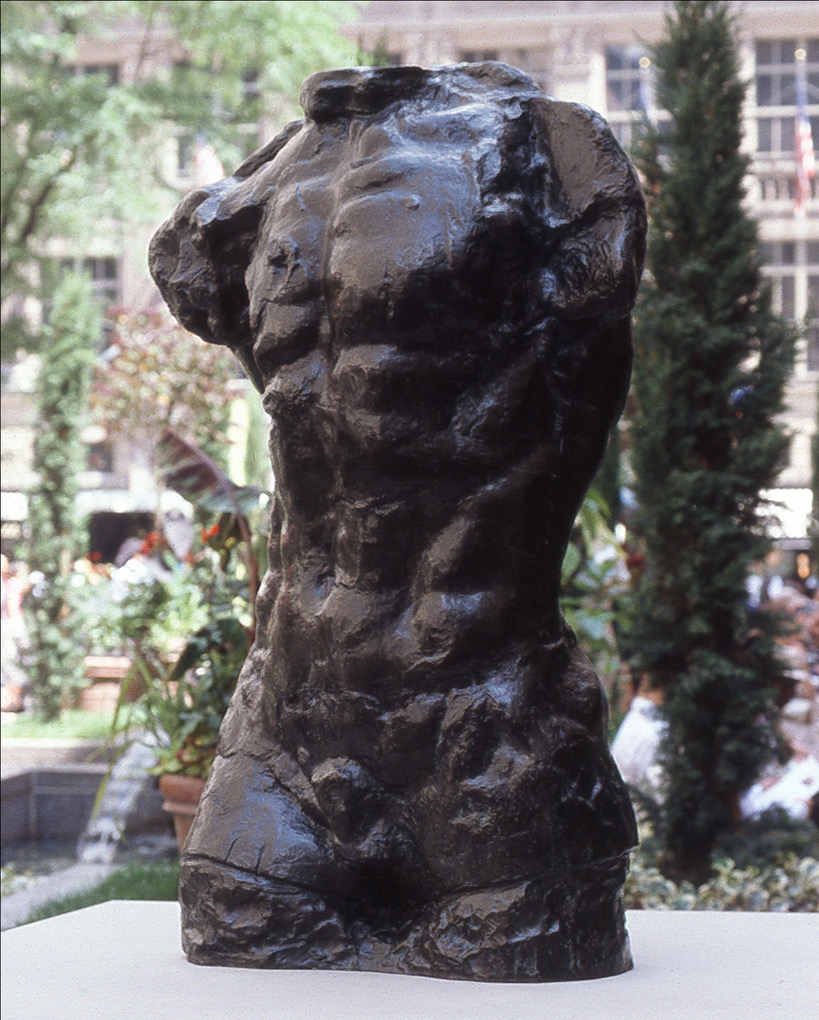
Rodin Beyond the Museum: How Iris and B. Gerald Cantor Brought Sculpture Into Public Life.
From the sidewalks of New York to sculpture gardens in California, Iris and B. Gerald Cantor helped bring Auguste Rodin’s work out of the gallery and into public life.
In the summer of 1998, visitors walking through Rockefeller Center encountered an unexpected sight: eight monumental bronze sculptures by Auguste Rodin, standing beneath the skyscrapers of Midtown Manhattan. There were no museum doors to pass through and no special occasion required. For anyone crossing the Channel Gardens, great sculpture had become part of an ordinary day.
That encounter reflected a belief at the heart of the Iris & B. Gerald Cantor Foundation: extraordinary art should be seen, studied, and experienced by as many people as possible. Through exhibitions, major gifts, and public sculpture gardens, Iris and Bernie Cantor helped make Rodin’s art accessible far beyond the walls of a traditional gallery.
A summer of Rodin at Rockefeller Center
From June 17 to August 31, 1998, Rodin at Rockefeller Center transformed the Channel Gardens into an open-air exhibition. Organized by the Cantor Foundation in collaboration with the Public Art Fund and Rockefeller Center, the presentation invited New Yorkers and visitors alike to discover Rodin’s powerful treatment of the human figure in a setting normally associated with shopping, office buildings, and the city’s daily rush.
The walk began near Fifth Avenue, where The Three Shades marked the garden entrance. Farther along, visitors encountered Whistler’s Muse, Meditation, Monumental Torso of the Walking Man, and figures associated with The Burghers of Calais. At the western end of the promenade, The Thinker presided over the scene. Together, the sculptures turned a familiar urban passage into a place for unexpected contemplation.
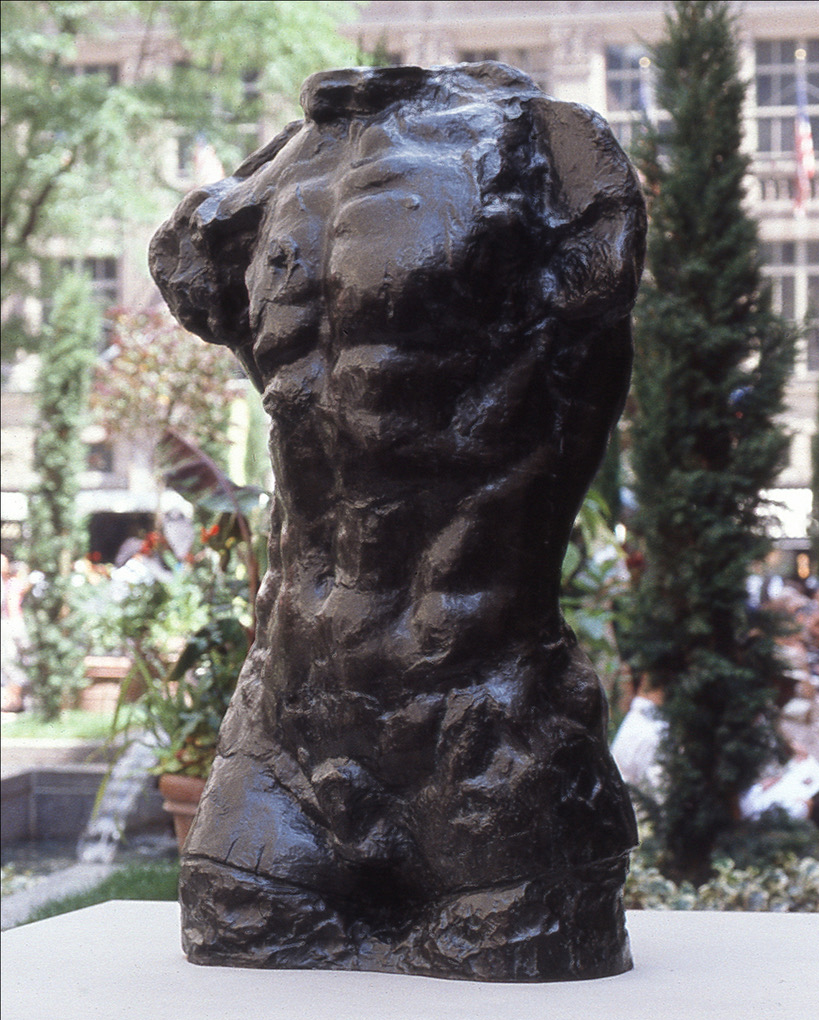
The exhibition also offered a remarkable connection to Stanford University: the bronze cast of The Thinker on view in New York had traveled from Stanford’s collection. One of the university’s best-known sculptures had temporarily left campus to meet a new audience in Manhattan.
The exhibition drew international attention, and the Foundation’s account recalls Iris Cantor speaking about it on NBC’s Today show. According to the Foundation, approximately two million people saw the eight sculptures during the summer. The scale of that audience demonstrated what can happen when a public space becomes a place to encounter art.
Stanford: a sculpture garden open to everyone
More than a decade before the Rockefeller Center exhibition, another expression of the Cantors’ vision had taken shape on the West Coast. The B. Gerald Cantor Rodin Sculpture Garden at the Cantor Arts Center at Stanford University officially opened in 1985. Its landscaped paths invite visitors to experience Rodin’s sculpture outside, amid trees, shifting light, and the rhythms of university life.

The garden contains twenty monumental bronzes, including Adam, Eve, The Three Shades, and The Walking Man. Its most imposing presence is The Gates of Hell, a vast composition whose many figures reveal the ambition and emotional intensity of Rodin’s work. The bronze was cast in 1981 and became a defining part of Stanford’s Rodin collection.
The garden’s accessibility is as significant as its collection. According to the Cantor Arts Center, the outdoor garden has been open twenty-four hours a day, every day of the year, since 1985. A student on the way to class, a local resident out for a walk, or a first-time visitor can encounter work that might otherwise remain behind museum walls. The Cantors’ philanthropy made the collection not only a destination but also part of the campus environment.
Los Angeles: a legacy reimagined
At the Los Angeles County Museum of Art, the Cantors’ commitment to public sculpture stretches back more than fifty years. LACMA’s B. Gerald Cantor Sculpture Garden opened in 1975, establishing an outdoor home for major Rodin bronzes. Over time, the setting changed, but the idea endured: sculpture could belong to a museum’s public landscape as much as to its galleries.

In 2026, Rodin’s monumental sculptures returned to a newly designed setting as part of LACMA’s campus transformation. The reimagined Iris and B. Gerald Cantor Sculpture Garden, an approximately 8,000-square-foot outdoor space along Wilshire Boulevard, now presents the museum’s historic Rodin collection alongside works by contemporary Los Angeles artist Liz Glynn.
There is something fitting about this renewal. The Cantors’ gifts were intended not simply to preserve objects, but to sustain encounters with them. In Los Angeles, new generations of visitors can now approach the same artistic questions that fascinated Rodin: how a body can reveal emotion, how bronze can suggest movement, and how a figure can change when seen from a different angle.
A collection meant to be shared
For Iris and B. Gerald Cantor, collecting was only the beginning. Together, they assembled approximately 750 works by and relating to Rodin and helped place more than 450 works with institutions around the world. Beyond individual gifts, they supported research, exhibitions, museum facilities, and programs that brought the artist to audiences across communities and generations.
Rockefeller Center, Stanford, and LACMA each tell a different part of that story. One transformed a bustling New York promenade for a summer. Another made monumental sculpture a permanent feature of a university campus. A third continues to make Rodin visible in the changing cultural landscape of Los Angeles.
What unites these places is a simple conviction: art is most powerful when people can encounter it for themselves. The Iris & B. Gerald Cantor Foundation continues to advance that vision, helping ensure that Rodin’s sculptures remain not only objects of admiration, but experiences to be shared.
Explore further: Rodin at Rockefeller Center · Rodin Sculpture Garden at Stanford · Rodin at LACMA.
No Comments