



The Rodin You May Not Know: Five Stories Behind the Sculptures
An art-school rejection, a sculpture scandal, and two right hands: five stories that reveal the unexpected side of Auguste Rodin.
November 12 marks the 186th anniversary of Auguste Rodin’s birth. His sculptures are among the most recognizable in the world, but their histories are anything but predictable. Behind the familiar images lie rejected applications, an accusation of cheating, and figures drawn from Dante’s vision of Hell.
1. Rodin was rejected by art school three times
Between 1857 and 1859, Rodin tried three times to enter Paris’s prestigious École des Beaux-Arts. He failed the entrance examination each time.
He had studied drawing at the city’s Petite École, but without a place at the École des Beaux-Arts, he supported himself by making decorative and architectural sculpture. It was demanding work that kept him close to his craft while he developed his own ideas. The artist who would later challenge academic tradition began his career outside its most celebrated institution.
2. “The Age of Bronze” looked so real that critics accused him of cheating
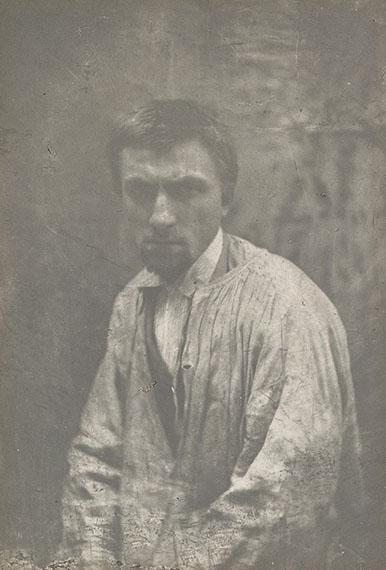
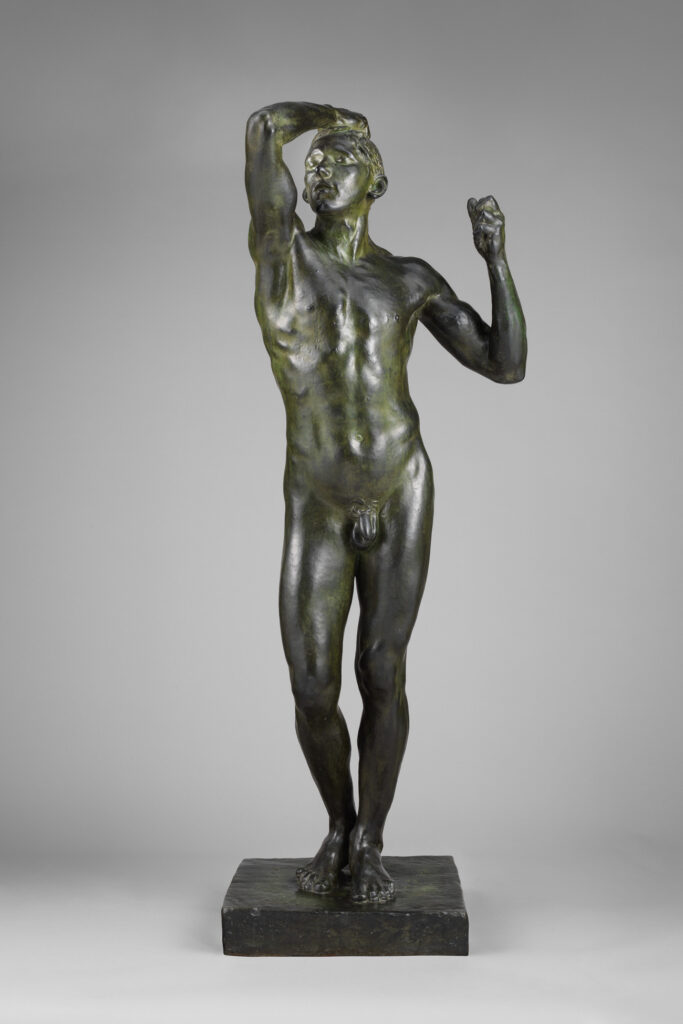
When Rodin exhibited “The Age of Bronze” in Paris in 1877, the figure’s realism caused a scandal. Critics accused him of making a cast directly from the body of his model, a Belgian soldier named Auguste Neyt, rather than sculpting it by hand.
Rodin rejected the accusation. To defend his work, he arranged for photographs of both Neyt and the sculpture to be taken and compared. The controversy was eventually resolved, but the charge reveals just how startling Rodin’s naturalism appeared to his contemporaries: the sculpture seemed almost too lifelike to have been modeled.
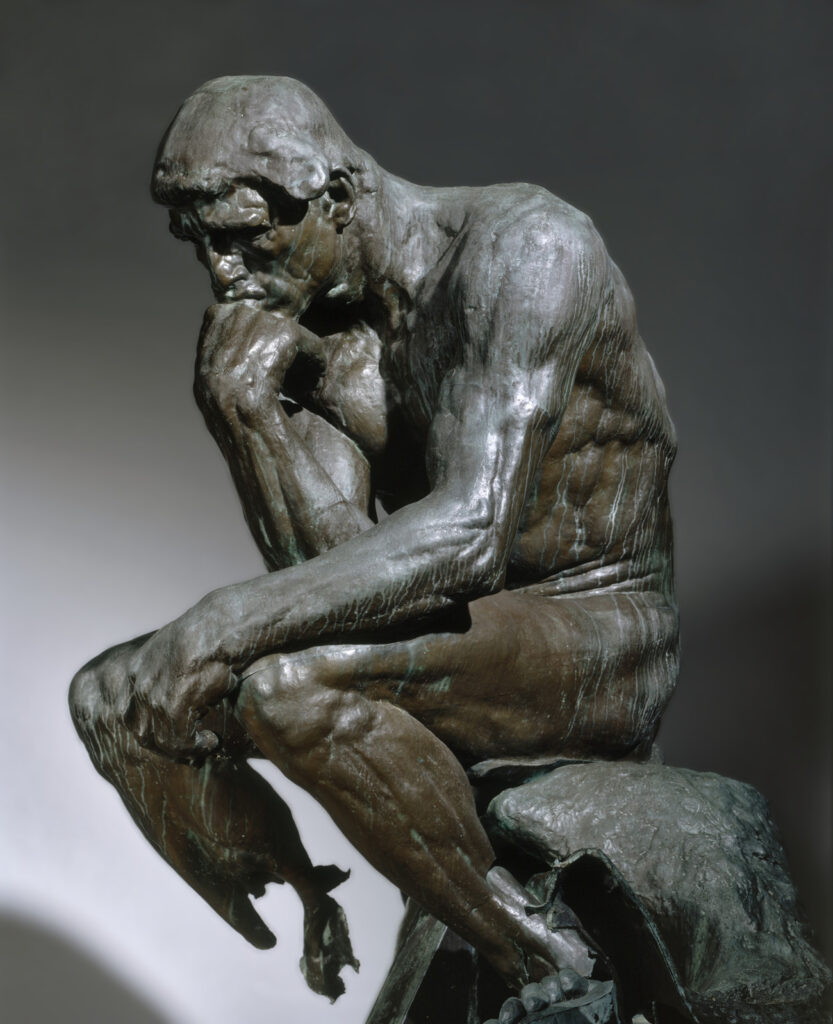
3. “The Thinker” was first “The Poet”
Today, “The Thinker” suggests contemplation in its broadest sense. But when Rodin conceived the figure around 1880, it had a particular identity and a particular setting.
Originally called “The Poet,” it represented Dante, author of the “Divine Comedy,” looking down over the tormented figures of “The Gates of Hell.” Rodin later separated and enlarged the figure, allowing it to take on a life beyond the monumental doorway. A character from literature became one of the world’s most universal images of thought.
4. “The Kiss” began with a story of doomed love
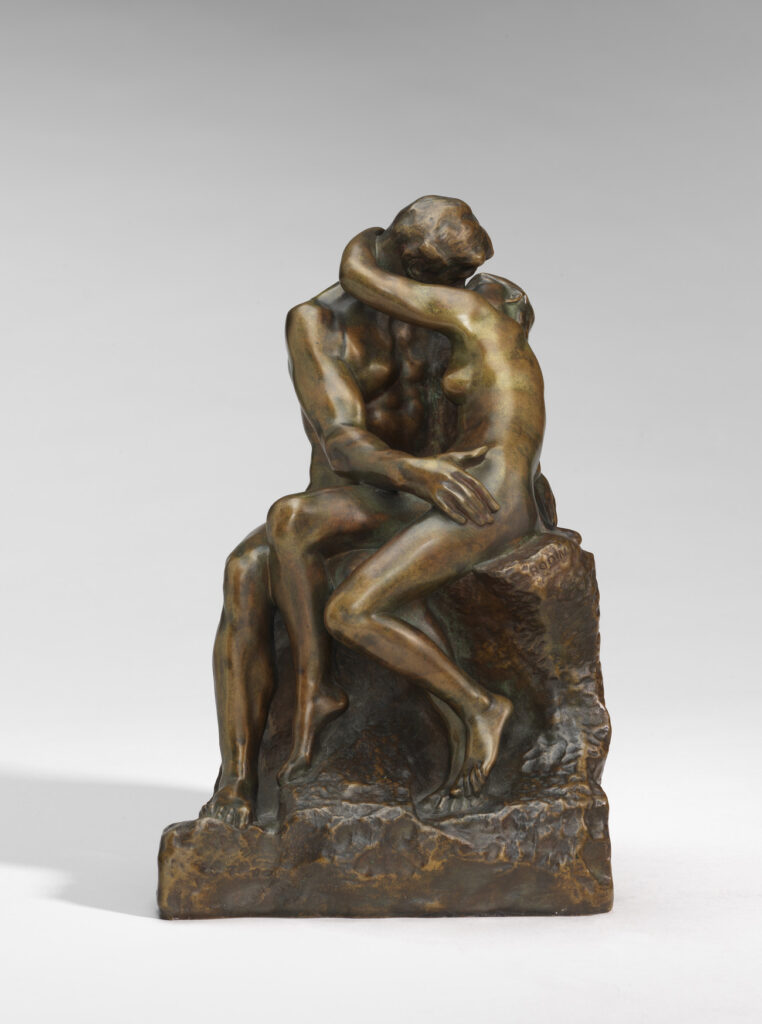
“The Kiss” appears to capture a perfect moment of intimacy. Its origins, however, are tragic. Rodin drew the lovers from Dante’s story of Paolo and Francesca, who are killed by Francesca’s husband after their forbidden relationship is discovered.
The couple was originally intended for “The Gates of Hell.” In 1886, Rodin removed them because their tender embrace seemed out of place amid the anguish of the larger composition. Freed from that setting, “The Kiss” became an image of love known around the world. Its source, however, remains a story of loss.
5. “The Cathedral” is made of two right hands
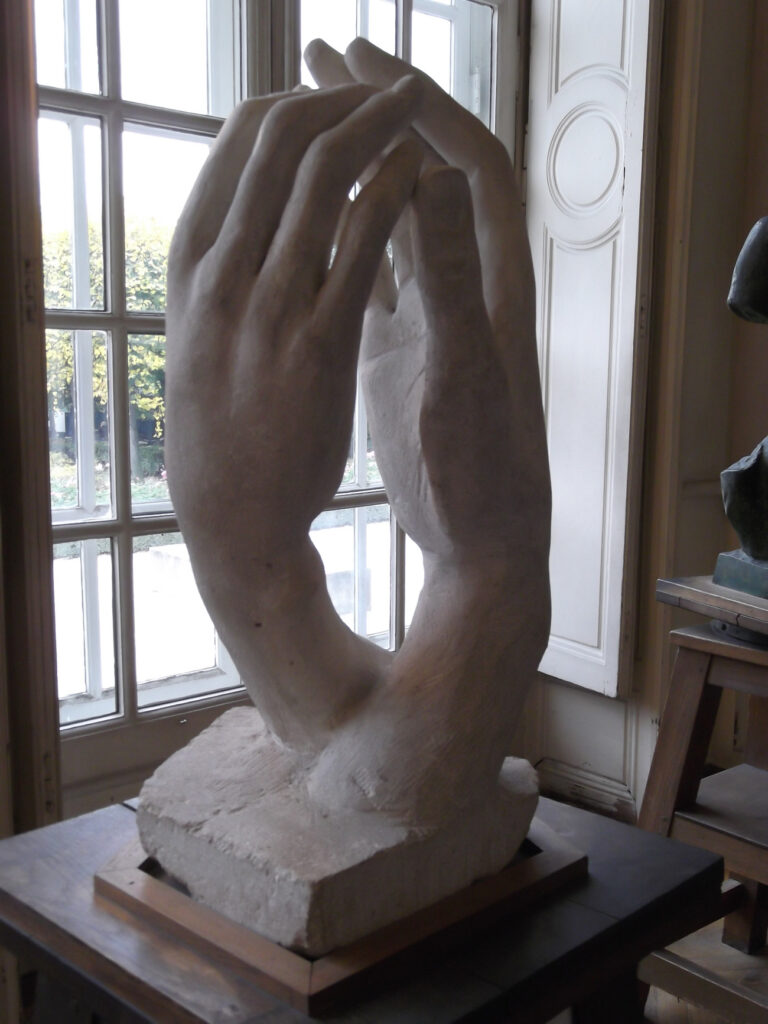
At first glance, “The Cathedral” seems to show two hands reaching toward one another. Look closer: both are right hands, taken from different figures.
The space between them suggests the soaring vault of a Gothic cathedral. Rodin initially called the work “The Ark of the Covenant” before it acquired the title “The Cathedral,” probably around the publication of his book on French cathedrals in 1914. Here, the empty space is as expressive as the sculpted stone. This is a striking example of Rodin’s fascination with fragments and the forms they could create together.
Keeping the discoveries alive
These stories reveal an artist who challenged convention, embraced experiment, and found expressive possibilities in unexpected places.
Iris and B. Gerald Cantor wanted audiences to encounter that breadth of Rodin’s imagination. Together, they assembled a collection of approximately 750 works by and relating to the sculptor, including sculptures, drawings, prints, photographs, and archival material. More than 450 works were donated to museums and institutions, helping bring Rodin to generations of visitors.
Today, the Iris & B. Gerald Cantor Foundation continues that commitment through exhibitions, loans, and scholarship. The next time you stand before a Rodin sculpture, look a little longer. Even the most familiar work may still have a story to tell.
No Comments